THINGS TO ASK BEFORE STARTING A PROJECT
Below are some important considerations to be aware of before launching into your project. Take time to read through any guidelines or policies relevant to your project and ask your teacher sponsor if you are unsure how to follow them. It is a good idea to consult them, since they will be asked to verify that your project meets these guidelines later on.
0. What category does your project fall under?
Projects at VDSF and GVRSF must fall under 1 of 3 categories:
-
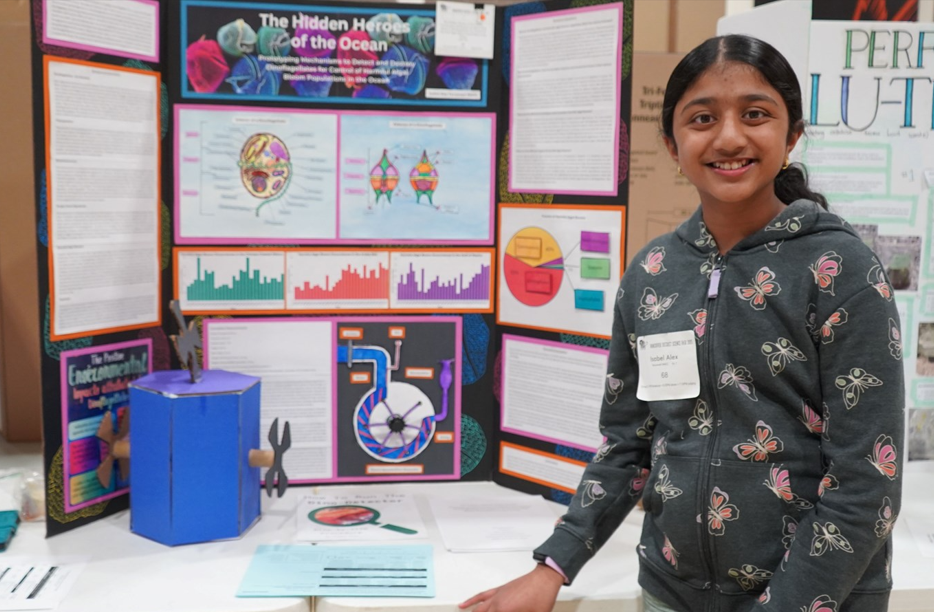 EXPERIMENT: An investigation that tests a scientific hypothesis using the experimental method. At least one independent variable is manipulated; other variables are controlled.
 - INNOVATION: Development and evaluation of new devices, models, theorems, physical theories, techniques, or methods in technology, engineering, computing, natural science, or social science.
-
STUDY: An analysis of data using accepted methodologies from the natural, social, biological, or health sciences. Includes studies involving human subjects, biology field studies, data mining, observation and pattern recognition in physical and/or sociobehavioural data.
1. Does your project follow safety guidelines?
PLEASE READ: Youth Science Canada Safety in STEM Projects
Students are expected to follow safety guidelines whether they are working on their project at home, school, or outside facility. Do any of the following concerns apply to your project?
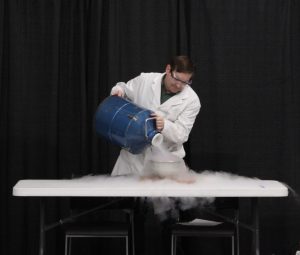 Chemical safety — Are you handling chemicals that require the use of personal protective equipment (e.g. lab coat, goggles, gloves, etc.)?
- Fire safety — Are you working with an open flame, flammable materials, or a chemical reaction that produces heat?
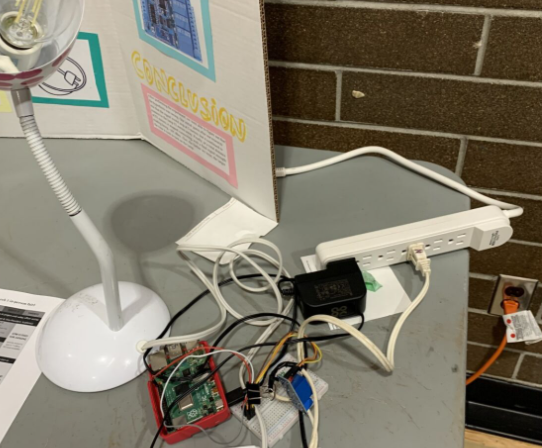 Electrical safety — Are you working with an electrical current, even something from a small battery?
- Structural and mechanical safety — Are you building something with dangerous moving parts or something that is heavy or large enough to hurt someone?
- Biohazards — Are you working with biohazards such as bacteria, tissue samples, blood, or blood products?
- Other
Safety guidelines also apply to project displays at VDSF
- Your project display must pass an inspection with a safety officer before judging can proceed.
- The dimensions of your exhibit (i.e. display board and accessories) must not exceed the maximum limits when measured from the outermost points including any framework and appendages:
- maximum width (side to side) of 1.2 m
- maximum depth (front to back) of 0.8 m
- maximum height (floor to top of display, including table) of 3.5 m
2. Does your project require ethics approval?
PLEASE READ: Youth Science Canada Ethics in STEM Projects
If your project involves the use of animals or humans, whether as sources of samples or live participants, it likely requires ethics approval or pre-approval.
See the Ethics Approval page to get started.
Remember to do the last step! The GVRSF ethics reviewer’s e-mail granting your project ethics approval represents his signature on your ethics forms, but you still have to complete them by writing in his name and date of e-mail.
3. Does your project involve the use of generative AI?
PLEASE READ: Youth Science Canada guidelines for using generative AI in STEM Projects
Adapted with thanks from a document developed by the Calgary Youth Science Fair Committee
The difference between generative artificial intelligence (GenAI) and traditional artificial intelligence (AI) is described here: Generative AI vs. Traditional AI (Geeks for Geeks)
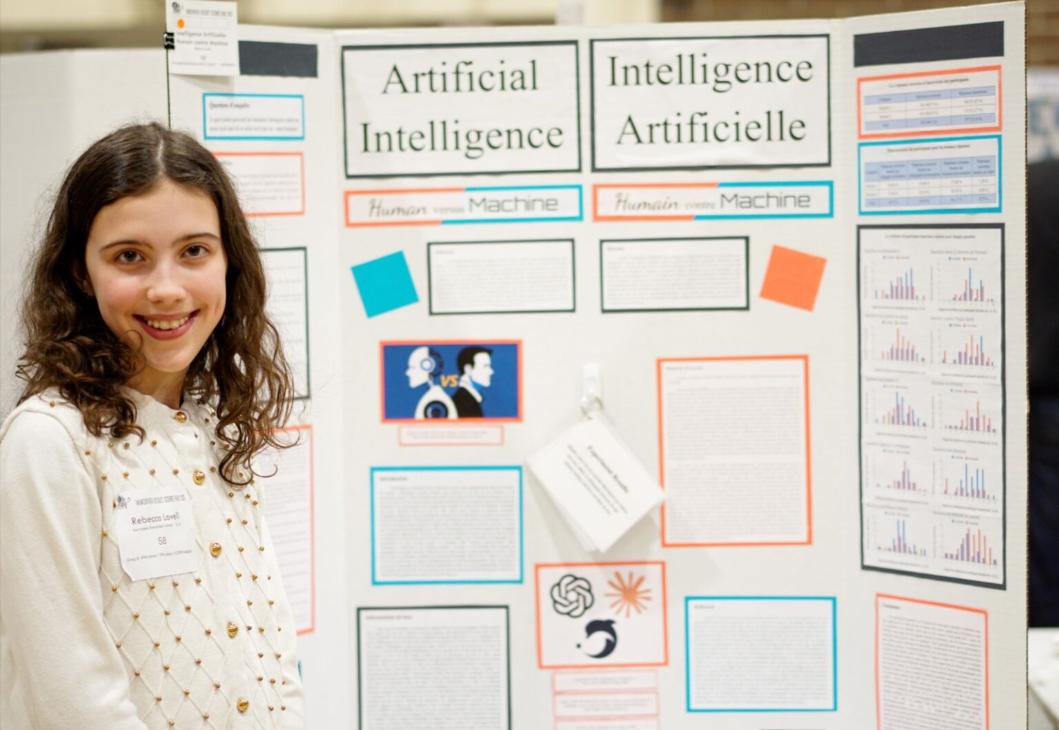
If you are using GenAI in your project, clearly state its role in your project and be prepared to demonstrate your understanding of the technology, explain its limitations, and address any questions and ethical concerns. Keep the use of GenAI within the scope and objectives of your project.
To cite the use of ChatGPT or other generative AI, refer to this resource from the APA style blog: How to cite ChatGPT
4. How will your project be evaluated?
Projects at VDSF and GVRSF are evaluated on 3 components: scientific thought, originality, and communication. The criteria varies slightly with the type of project.
What do judges look for when listening to your presentation? Check out this clip:
[Last updated: August 2026]